 Jason Hudson
The Evolution of Ethical Technology: A Journey Through Innovation and Responsibility
Remember when having a mobile phone just meant you could make calls on the go? Now, that same device knows more about your daily habits than your closest friend. Technology has evolved at a breathtaking pace, and with each advancement, we’ve had to grapple with new ethical considerations.
How Did We Get Here?
The journey of ethical technology is fascinating. In the early 2000s, our main concerns were fairly straightforward: keep passwords safe and install antivirus software. Fast forward to today, and we’re dealing with algorithm bias, data privacy on an unprecedented scale, and the environmental impact of our digital footprint.
Let’s break down some key moments that shaped our understanding of ethical technology:
The Wake-Up Calls (2000-2010)
Remember the days when sharing your location meant telling someone where you were? The early 2000s were like the Wild West of digital privacy. Companies collected data simply because they could, not because they should. But then came the wake-up calls.
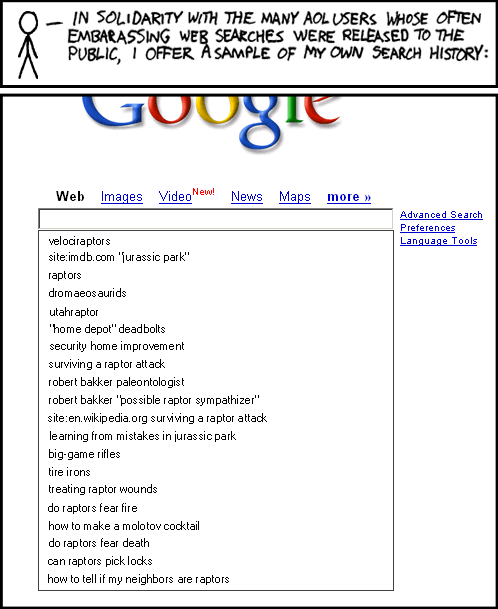
In 2006, AOL released anonymized search data from 650,000 users, thinking it was safe for research. Within days, journalists identified specific individuals from their search histories [1]. This incident sparked one of the first major public discussions about digital privacy and the responsibility that comes with handling user data.
The Social Media Revolution (2010-2015)
Social media changed everything. Suddenly, we were sharing our lives online in ways we’d never imagined. But with this sharing came new challenges. The 2011 Arab Spring showed us social media’s power to drive social change, while also raising questions about surveillance and digital rights.
Companies started realizing that with great data comes great responsibility. LinkedIn’s 2012 password breach, affecting 6.5 million users [2], was a stark reminder that even professional networks weren’t immune to security threats.
The Privacy Awakening (2015-2018)
By 2015, we’d learned some hard lessons. The Ashley Madison breach [3] showed how data breaches could have real-world consequences. Yahoo’s admission that all 3 billion of its user accounts had been compromised in 2013 [4] highlighted the scale of potential security failures.
But it wasn’t all doom and gloom. This period also saw the rise of privacy-focused innovations:
- Signal’s end-to-end encryption became the gold standard for secure messaging
- DuckDuckGo gained popularity as a privacy-respecting search alternative
- Companies started treating privacy as a feature, not an afterthought
Where Are We Now?
Today, ethical technology isn’t just about privacy and security. It’s about:
- Algorithmic Fairness: Ensuring AI systems don’t perpetuate existing biases
- Environmental Impact: Understanding and reducing the carbon footprint of our digital activities
- Accessibility: Making sure technology benefits everyone, not just the privileged few
- Data Minimization: Collecting only what’s necessary, not what’s possible
What Can Organizations Do?
If you’re wondering how to implement ethical technology practices in your organization, here are some practical steps:
Start with the Basics
-
Audit your data collection practices: Review what data you collect, why you collect it, and how you use it. Create a data inventory and regularly assess whether each data point serves a legitimate business purpose.
-
Implement privacy by design principles: Follow the seven foundational principles [5]:
- Proactive not Reactive; Preventative not Remedial
- Privacy as the Default Setting
- Privacy Embedded into Design
- Full Functionality – Positive-Sum, not Zero-Sum
- End-to-End Security – Full Lifecycle Protection
- Visibility and Transparency
- Respect for User Privacy
-
Train your team on ethical considerations: Develop comprehensive training programs that cover:
- Data privacy and protection basics
- Real-world ethical scenarios and decision-making
- Security best practices
- Regulatory compliance requirements
- Incident response procedures
Think Long-Term
-
Consider the environmental impact of your technology choices:
- Measure your digital carbon footprint
- Optimize code and infrastructure for energy efficiency
- Choose green hosting providers
- Implement sustainable IT practices
-
Plan for accessibility from the start:
- Follow WCAG 2.0 guidelines [6]
- Conduct regular accessibility audits
- Include diverse users in testing
- Document accessibility features and limitations
-
Build trust through transparency:
- Maintain clear, accessible privacy policies
- Communicate data practices in plain language
- Provide user control over their data
- Be upfront about data breaches and incidents
Stay Informed
-
Keep up with privacy regulations:
- Monitor changes in privacy laws and regulations
- Participate in industry forums and discussions
- Subscribe to privacy and security newsletters
- Consider joining privacy-focused organizations
-
Learn from others’ mistakes and successes:
- Study notable data breaches and their causes
- Follow industry best practices
- Attend conferences and workshops
- Network with peers in your industry
-
Engage with your users about their concerns:
- Conduct regular privacy impact assessments
- Establish feedback channels
- Host user forums or surveys
- Act on user feedback and concerns promptly
Looking Ahead
The evolution of ethical technology isn’t slowing down. As we stand on the brink of new innovations in AI, quantum computing, and biotechnology, the ethical considerations will only become more complex.
But here’s the thing: ethical technology isn’t about perfect solutions. It’s about making conscious choices and continuously improving. It’s about asking “should we?” not just “can we?”
As we move forward, organizations that prioritize ethical technology won’t just be doing the right thing – they’ll be building sustainable, trust-based relationships with their users. And in today’s digital world, trust might be the most valuable currency of all.